
Business Management

The 2026 Insurance Playbook: Protect Your Company From Every Major Risk
Business Management

The 2026 Insurance Playbook: Protect Your Company From Every Major Risk

The 2026 Insurance Playbook: Protect Your Company From Every Major Risk :- Running a business in 2026 isn’t for the faint of heart. Every year seems to bring new surprises AI-driven cyberattacks, unpredictable weather, supply-chain chaos, lawsuits from every direction, and technology that evolves faster than most companies can keep up. If you’re a business owner, founder, or manager, you already know one thing for sure: risks aren’t going away. They’re multiplying. But here’s the good news: while you can’t eliminate risk completely, you can design an insurance strategy that protects your company from financial damage, legal headaches, and operational breakdowns. Think of it as your playbook—your defense system—for surviving anything 2026 throws your way. Let’s walk through the essential steps to build a strong, modern, and “almost risk-proof” insurance strategy for your business. 1. Start With a 2026 Risk Checkup Before you buy any insurance policy, you need to understand the battlefield. What threats pose the biggest danger to your business today? In 2026, the top risks most companies face include: Spend time listing every possible risk your business could face. Big or small. Internal or external. This simple exercise helps you match the right insurance solutions to real-world threats—saving you money and preventing gaps later. 2. Build Your Insurance Stack: The Must-Have Policies for 2026 Think of your insurance policies like bricks in a wall. Each one protects you from a different angle. Put together, they make your business strong enough to survive almost anything. Here are the policies every company should consider in 2026. General Liability Insurance: Your Core Protection This is the foundation of your safety net. It protects you from common business risks like customer injuries, property damage, and legal claims. Without it, you’re leaving your business wide open. Cyber Liability Insurance: The 2026 Non-Negotiable Cybercrime has become the biggest threat to modern businesses—especially small and medium-sized ones. Hackers are using advanced AI tools, and a single attack can shut a business down for weeks or destroy customer trust overnight. Cyber insurance typically covers: If your business uses email, stores customer data, or works online in any way (which is basically everyone), you need this. Commercial Property Insurance: Protect Your Space and Equipment Whether you own or rent your business location, property insurance covers things like: In 2026, many insurers offer special climate-focused add-ons that help cover flood damage, severe storms, or wildfire risks—problems that have become more common in the last few years. Business Interruption Insurance: Your Lifeline During Shutdowns If your business had to shut down for a week—or worse, a month—could it survive? This insurance helps cover: Many companies fail not because the disaster was big, but because they couldn’t stay afloat during the downtime. This policy fills that gap. Professional Liability Insurance (Errors & Omissions) If you provide a service—consulting, design, coaching, finance, IT, real estate, marketing—this protects you from claims that your work caused financial harm. In 2026, with clients becoming more litigious and industries becoming more regulated, this policy is an absolute must. Workers’ Compensation Insurance This covers employee injuries, medical bills, and lost wages. In most regions, it’s legally required. More importantly, it protects your team and prevents workplace injury lawsuits. Commercial Auto or Fleet Insurance If your business uses cars, trucks, or vans—even occasionally—commercial auto insurance protects you from accidents, damage, and liability claims. Optional but Powerful Add-Ons for 2026 These aren’t mandatory, but depending on your business, they can save you from major losses: In 2026, businesses often rely on technology and people more than physical products—so these policies fill important gaps. 3. Save Money by Bundling Smartly Insurers often offer discounts if you combine multiple policies into a package, commonly called a Business Owner’s Policy (BOP). This usually includes: Bundles simplify coverage and reduce costs—sometimes by 20% or more. 4. Partner With a Skilled Insurance Broker Insurance can be confusing, full of fine print, and sometimes downright overwhelming. A good broker acts as your guide. They help you: In 2026, when risks and rules are changing fast, having a professional on your side is a smart move. 5. Update Your Strategy Every Year Your business evolves—your insurance needs should too. Review your coverage after major changes like: A quick annual refresh helps you stay protected and keeps your premiums fair. Final Thoughts: A Risk-Free Company Is a Prepared Company You can’t control the world around you, but you can control how well your business is protected. With the right insurance mix, solid risk assessment, and a modern strategy, your company can withstand cyber threats, disasters, legal issues, and unexpected disruptions.

, , , , ,

The 2026 Insurance Playbook: Protect Your Company From Every Major Risk Read Post »

How to Build a Risk-Free Company With the Right Insurance Strategy in 2026
Business Management

How to Build a Risk-Free Company With the Right Insurance Strategy in 2026

How to Build a Risk-Free Company With the Right Insurance Strategy in 2026 : Running a business in 2026 is exciting but also risky. From cyber threats and regulatory changes to accidents, lawsuits, and natural disasters, business owners face countless potential pitfalls. The good news? A smart insurance strategy can dramatically reduce your risks, protect your assets, and give you peace of mind to focus on growth. In this guide, we’ll explore how to build a “risk-free” company by combining the right types of insurance, proactive planning, and ongoing risk management. Step 1: Identify Your Biggest Risks Before purchasing any insurance, you need a clear picture of your business risks. Ask yourself: Understanding your unique risks allows you to choose insurance policies that provide real protection rather than generic coverage. Step 2: Invest in Core Insurance Policies Most businesses benefit from a few core types of insurance: 1. General Liability Insurance Covers bodily injury, property damage, and certain advertising claims. Essential for any business that interacts with clients or customers. 2. Professional Liability Insurance Protects against mistakes, errors, or negligence in professional services. Critical for consultants, agencies, and service-based businesses. 3. Cyber Liability Insurance Covers data breaches, ransomware attacks, and other digital threats. In 2026, cyber coverage is essential for almost every company. 4. Business Interruption Insurance Protects your revenue and operational costs if your business is temporarily unable to operate due to a covered event. 5. Property and Equipment Insurance Covers damage or theft of your office, equipment, or inventory. Even remote-based businesses benefit from this coverage. 6. Workers’ Compensation Required in most regions if you have employees, covering workplace injuries and medical costs. By combining these policies, you create a solid foundation that covers most major risks. Step 3: Consider Additional Coverage Based on Your Industry Some industries have specific risks. For example: Tailoring coverage ensures your strategy is precise, cost-effective, and fully protective. Step 4: Bundle and Optimize Policies Many insurers offer Business Owner Policies (BOPs) that bundle general liability, property, and business interruption insurance. Bundling can: Additionally, some insurers provide add-ons or riders that let you customize coverage for your specific risks, like cyber threats or supply chain interruptions. Step 5: Implement Risk Management Practices Insurance works best when paired with proactive risk management. Consider: The combination of insurance and risk prevention reduces both the likelihood and impact of incidents. Step 6: Review and Update Policies Annually Your business will grow, evolve, and face new risks. Annual reviews ensure: Regular updates prevent gaps that could leave your company exposed. Step 7: Work With Experienced Insurance Advisors The right advisor can help: Choosing an insurer or broker with experience in your industry is key to building a truly “risk-free” strategy. The Benefits of a Strong Insurance Strategy A comprehensive, proactive insurance plan does more than protect your assets. It: In short, insurance doesn’t just prevent losses—it empowers your business to thrive confidently in an unpredictable world. Final Thoughts: A Risk-Free Company Is Possible With the Right Plan While no business is 100% risk-free, you can get pretty close with a smart insurance strategy. In 2026, threats are evolving, and businesses that ignore protection are taking unnecessary chances. By identifying risks, investing in the right policies, implementing risk management practices, and reviewing coverage regularly, you can build a company that’s resilient, secure, and poised for long-term success. Remember: the goal isn’t to eliminate risk entirely it’s to manage it intelligently. Insurance is your safety net, risk management is your toolkit, and together, they form the foundation of a strong, thriving business.

, , , , , , ,

How to Build a Risk-Free Company With the Right Insurance Strategy in 2026 Read Post »

General Liability vs Professional Liability: What’s the Difference in 2026?
Business Management

General Liability vs Professional Liability: What’s the Difference in 2026?

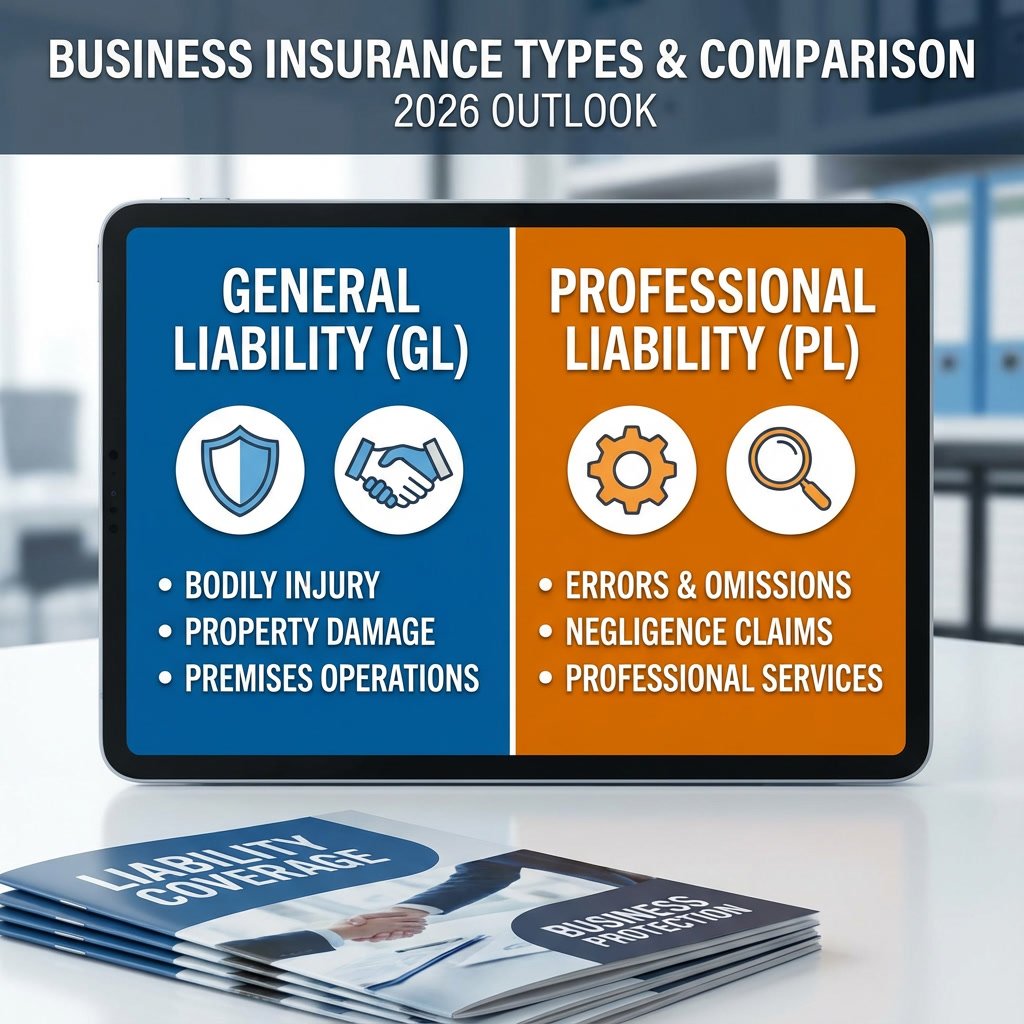
General Liability vs Professional Liability: If you’re a business owner in 2026, chances are you’ve heard these terms tossed around: general liability and professional liability. They sound similar, but confusing them or worse, skipping one can leave your business exposed to serious financial risk. Understanding the difference is key to protecting your company, your employees, and your clients. Let’s break down what each policy covers, why it matters, and how to decide which coverage your business needs. What Is General Liability Insurance? General liability insurance (GL) is the foundation of most business insurance plans. It protects your business from physical risks and common accidents that could happen to clients, customers, or visitors. Think of it as broad protection for everyday business operations. Common Coverage Includes: GL insurance is typically required for businesses with physical locations or frequent customer interactions. Even if you operate from home, it’s often recommended to avoid personal liability exposure. What Is Professional Liability Insurance? Professional liability insurance, also called errors & omissions (E&O) insurance, protects businesses that provide services, advice, or professional expertise. Unlike GL insurance, it’s designed for financial or professional mistakes rather than physical accidents. Common Coverage Includes: This type of insurance is crucial for consultants, accountants, architects, software developers, marketers, agencies, and any business providing professional guidance or services. Key Differences Between General and Professional Liability Feature General Liability Professional Liability Coverage Type Physical injury, property damage, advertising injury Financial loss due to mistakes, negligence, or professional services Who Needs It Retailers, restaurants, contractors, businesses with customer traffic Consultants, agencies, professionals offering services/advice Common Claims Slip-and-fall, property damage, defamation Misadvice, missed deadlines, faulty services, software bugs Legal Defense Covers lawsuits from physical/property issues Covers lawsuits from professional mistakes or negligence In short: GL protects your business physically, while professional liability protects your professional expertise and advice. Do You Need Both? Many businesses actually need both types of insurance. Here’s why: For example, a marketing agency might have a client visit the office (GL coverage for accidents) while also delivering a campaign that inadvertently causes financial loss (professional liability coverage). Without both, the business could be exposed in either scenario. Tips for Choosing the Right Coverage in 2026 Common Mistakes Business Owners Make Why Understanding the Difference Matters Confusing these two types of insurance is more than a technicality—it’s a risk management issue. A misstep could cost your business thousands or even millions if an incident occurs. Knowing the difference allows you to: Final Thoughts: Coverage That Fits Your Business In 2026, businesses operate in an environment of increasing risk: cyber threats, lawsuits, and regulatory scrutiny are on the rise. Proper insurance is not just a safety net—it’s a tool to build resilience, credibility, and peace of mind. By understanding general liability and professional liability, and securing the right coverage for your business type, you ensure that accidents, errors, or professional missteps won’t derail your growth. Think of it as a shield for both the physical and intellectual sides of your business—protection for what you do and where you do it.

, , , , , , ,

General Liability vs Professional Liability: What’s the Difference in 2026? Read Post »

Business Interruption Insurance in 2026: Keeping Your Company Running When Disaster Strikes
Business Management

Business Interruption Insurance in 2026: Keeping Your Company Running When Disaster Strikes

Imagine this: your business faces a fire, a storm, or a cyberattack that halts operations for days—or even weeks. Without a plan, lost revenue, ongoing expenses, and delayed recovery can put your company in serious jeopardy. This is where business interruption insurance becomes a lifeline. In 2026, with evolving risks—from climate-related disasters to cyberattacks—business interruption coverage is no longer optional. For startups, small businesses, and even established companies, it provides financial protection and peace of mind when unexpected events threaten daily operations. What Is Business Interruption Insurance? Business interruption insurance, sometimes called business income insurance, helps cover lost income and operational expenses if your business cannot operate due to a covered event. Unlike standard property insurance, which replaces damaged assets, business interruption insurance ensures that your cash flow continues while your business recovers. Typical expenses covered include: Essentially, it helps your business stay afloat, even when normal operations are disrupted. Why Business Interruption Insurance Matters in 2026 Modern businesses face a variety of risks that make this coverage crucial: Business interruption insurance ensures that, no matter the disruption, your business can survive and recover. How Business Interruption Insurance Works Here’s a simple example: Most policies require that the interruption is caused by a covered event, so it’s important to understand the details of your policy. Some events, like floods or earthquakes, may require additional coverage. What Business Interruption Insurance Typically Covers Business interruption insurance generally covers: Choosing the Right Policy in 2026 Selecting the right business interruption coverage requires careful planning: 1. Understand Your Risks Analyze your business operations, industry, location, and digital systems. Identify potential threats—physical and digital—that could interrupt operations. 2. Estimate Your Revenue Needs Know how much income your business needs to cover operating costs during downtime. Policies should align with these estimates to provide adequate protection. 3. Include Digital and Cyber Risks Modern businesses rely heavily on technology. Ensure your policy accounts for cyber incidents that can halt operations. 4. Consider Extra Expenses Temporary relocation, equipment rental, or expedited repairs may be necessary. Include these potential costs in your coverage plan. 5. Review Policy Exclusions Check for exclusions such as floods, earthquakes, or pandemics, and consider additional coverage if needed. Common Mistakes to Avoid Avoiding these mistakes ensures your business interruption insurance truly protects your company. The Real Value of Business Interruption Insurance In 2026, business interruption insurance isn’t just about replacing lost revenue. It’s about: For businesses of all sizes, this coverage is an essential safety net. Final Thoughts: Prepare for the Unexpected Business interruption insurance is the bridge between disaster and recovery. In a world where natural disasters, cyber threats, and operational disruptions are increasingly common, having a safety net in place ensures your business can survive and thrive. By understanding your risks, choosing the right policy, and regularly updating coverage, you can protect your revenue, employees, and long-term growth. In 2026, businesses that plan for the unexpected are the ones that succeed—because they don’t just survive disruptions—they recover stronger than before.

, , , , , , ,

Business Interruption Insurance in 2026: Keeping Your Company Running When Disaster Strikes Read Post »

10 Common Insurance Mistakes Business Owners Make in 2026
Business Management

10 Common Insurance Mistakes Business Owners Make in 2026

Running a business is challenging enough without worrying about insurance mistakes that could cost you thousands—or even put your company at risk. Many entrepreneurs assume insurance is a “check-the-box” task, but in reality, one small error can lead to major consequences. In 2026, with evolving risks like cyber threats, remote work liabilities, and new regulatory requirements, understanding common insurance mistakes has never been more important. Let’s break down the top 10 mistakes business owners make—and how to avoid them. 1. Thinking “It Won’t Happen to Me” Overconfidence is a classic mistake. Many business owners assume disasters only happen to others. The truth? Accidents, lawsuits, cyberattacks, and natural disasters can strike any business, at any stage. Underestimating risk often leads to underinsurance—or no coverage at all. 2. Assuming Personal Insurance Covers the Business Some entrepreneurs believe their homeowner’s or personal liability insurance will protect their business assets. It usually doesn’t. Business equipment, liability claims, and employee incidents are generally excluded. Separating personal and business insurance is essential. 3. Buying Insurance Without Understanding the Policy Policies can be complex, and many owners simply sign the contract without reading the fine print. Exclusions, coverage limits, deductibles, and claim processes vary widely. Understanding what your policy actually covers—and what it doesn’t—is critical to avoid surprises. 4. Underinsuring to Save Money Trying to cut costs by purchasing minimal coverage can backfire. For example, if your liability limit is too low, you could be responsible for paying the excess out of pocket. In most cases, the financial consequences of underinsurance outweigh the savings. 5. Skipping Cyber Insurance In 2026, cyber threats are not optional—they’re a real risk for businesses of all sizes. Many owners still skip cyber insurance because they think “small businesses aren’t targets.” In reality, small and medium-sized businesses are often prime targets for hackers. 6. Forgetting Business Interruption Coverage Disasters—fires, floods, or even major software failures—can temporarily halt operations. Business interruption insurance ensures you can cover expenses and lost income during recovery. Skipping this coverage can make an already difficult situation catastrophic. 7. Not Reviewing Policies Regularly Businesses evolve—new products, employees, locations, and digital systems all change risk profiles. Many owners forget to update their insurance annually. Outdated policies can leave gaps in coverage that expose your business to unnecessary risks. 8. Choosing the Cheapest Option Price matters, but the cheapest policy is rarely the best. Coverage quality, insurer reliability, claims support, and flexibility should all influence your decision. Investing a little more in a comprehensive policy is often far more cost-effective than paying for uncovered losses later. 9. Ignoring Exclusions and Fine Print Exclusions are clauses that limit or remove coverage under specific circumstances. Not knowing your policy’s exclusions can be dangerous. For example, some policies exclude certain cyberattacks, natural disasters, or professional errors. Always check carefully. 10. Failing to Educate Your Team Insurance isn’t just the owner’s responsibility. Employees should understand their role in preventing risks. Training staff on cybersecurity, safety procedures, and reporting incidents reduces claims and strengthens your protection. How to Avoid These Mistakes Final Thoughts: Smart Insurance Protects Your Business and Growth Mistakes happen, but when it comes to insurance, the wrong move can have long-lasting consequences. Avoiding these ten common errors ensures your business is protected, your employees are safe, and your operations can withstand unexpected events. In 2026, business insurance is more than a safety net—it’s a growth tool. By making informed decisions, regularly reviewing coverage, and staying proactive, you’re not just protecting your business—you’re investing in its future.

, , , , , , ,

10 Common Insurance Mistakes Business Owners Make in 2026 Read Post »

The True Cost of Not Having Business Insurance
Business Management

The True Cost of Not Having Business Insurance

The True Cost of Not Having Business Insurance ; Many business owners underestimate the risks they face—until it’s too late. You might think, “Nothing will go wrong with my company,” or “I don’t have time to deal with insurance paperwork.” But in 2026, skipping business insurance can be one of the most expensive mistakes a company can make. The reality is simple: even a small accident, lawsuit, or cyberattack can drain your finances, damage your reputation, and even force your business to close. In this guide, we’ll explore the true cost of not having insurance and why it’s one of the smartest investments you can make for your company. The Financial Consequences Without insurance, every incident becomes your company’s responsibility. Here’s how costs can spiral out of control: 1. Lawsuits Can Be Devastating Imagine a client slips in your office or a customer sues you over a service error. Legal fees, settlements, and court costs can quickly reach tens or even hundreds of thousands of dollars. Without liability insurance, your personal and business assets may be at risk. 2. Property Damage A fire, theft, or storm can destroy your office, equipment, or inventory. Replacing these assets out of pocket can cost more than a small business can handle, sometimes wiping out years of savings. 3. Cyberattacks Cybercrime is rising every year. A data breach, ransomware attack, or hacking incident can not only result in lost revenue but also costly fines, legal fees, and damage to your brand’s reputation. Without cyber insurance, these losses can be catastrophic. 4. Business Interruption Even if your property isn’t destroyed, a disruption—like a fire, storm, or cyberattack—can halt operations. Without business interruption insurance, you might struggle to cover rent, payroll, and ongoing expenses while trying to recover. 5. Employee Injuries If you have employees, workplace accidents can be expensive. Medical bills, rehabilitation costs, and lost wages can quickly add up. Workers’ compensation insurance is designed to handle these expenses, but without it, your company pays directly. The Ripple Effect on Your Business The costs of not having insurance go beyond immediate financial loss. Consider these consequences: Skipping insurance doesn’t just put your business at risk—it puts your livelihood, your employees, and your growth potential in jeopardy. How Businesses Survive Without Insurance (and Why It’s Rare) Some businesses operate without insurance and get lucky for a while, but those cases are exceptions. Most companies that face a major lawsuit, cyberattack, or disaster without coverage either: Insurance isn’t a luxury—it’s a tool for survival. The companies that thrive long-term are the ones that proactively protect themselves. The Hidden Costs of Underinsurance Even businesses that buy insurance sometimes underinsure. This creates hidden costs: Underinsurance can be just as risky as having no insurance, making it vital to review and update your coverage regularly. Investing in Business Insurance: A Smart, Cost-Effective Decision The cost of insurance may feel high at first, but when compared to the potential financial fallout of a disaster, it’s a small investment. Consider this: Tips for Choosing the Right Coverage in 2026 Final Thoughts: Don’t Gamble With Your Business Not having business insurance is a gamble no company can afford to take in 2026. From lawsuits to cyberattacks, property damage, or employee injuries, the financial and reputational consequences can be devastating. Insurance protects more than just your business assets—it protects your future. Investing in the right policies today ensures your company can survive setbacks, recover quickly, and continue growing. Ultimately, the true cost of not having insurance is often far higher than the price of buying it. Protect your business, your employees, and your peace of mind—because in today’s fast-moving business world, one mistake can be too costly to recover from.

, , , , , , ,

The True Cost of Not Having Business Insurance Read Post »

How to Choose the Right Business Insurance for Startups in 2026
Business Management

How to Choose the Right Business Insurance for Startups in 2026

How to Choose the Right Business Insurance for Startups in 2026 is exciting – technology is booming, remote work has opened global opportunities, and more tools exist than ever before to help entrepreneurs bring their ideas to life. But while building a startup today is more accessible, it also comes with new risks. And one mistake many founders make is waiting too long to secure proper business insurance. If you’re launching a startup – whether it’s a tech app, a marketing agency, a retail shop, or a home-based business—choosing the right insurance early can save you from costly problems later. Think of insurance as a foundational layer of your startup’s stability, just like your business plan, website, or funding strategy. In this guide, you’ll learn which types of insurance startups need, how to choose the right policies, and how to avoid common pitfalls in the process. Why Startups Need Insurance Sooner Than You Think Many founders believe insurance is something you buy “later – after you grow, hire people, or turn a profit. But here’s the truth: from the moment you start interacting with customers, storing data, or offering services, you’re exposed to risk. Here’s why you should think about insurance early: The sooner you secure coverage, the more protected your young business becomes. The Essential Types of Insurance for Startups While insurance needs vary depending on your industry, most startups benefit from a core set of policies. Here’s what to consider: 1. General Liability Insurance This is the starter protection almost every business should have. It covers: For example, if someone visits your startup office or coworking space and gets hurt, this insurance keeps you protected. 2. Professional Liability (Errors & Omissions) If your startup provides a service, advice, or digital product, you need this. It covers: Freelancers, agencies, consultants, SaaS companies, and creators all benefit from this coverage. 3. Cyber Liability Insurance Startups rely heavily on digital tools – cloud services, software, client data, online transactions. Cyber insurance protects you from: This has become one of the most essential policies for modern startups. 4. Business Property or Equipment Insurance Even if you work from home, your business equipment matters. Property insurance covers: For tech-focused startups, replacing equipment can be expensive without insurance. 5. Workers’ Compensation Insurance This is typically mandated by law if you have employees. It helps cover medical bills and lost wages if an employee is injured on the job. 6. Business Interruption Insurance If something forces you to pause operations—like a fire, storm, or cyber incident—this coverage can replace lost income while you recover. For a startup with limited resources, this can be a lifesaver. 7. A Business Owner’s Policy (BOP) Many insurers offer bundled packages for startups that combine: A BOP is often more affordable and easier to manage than buying separate policies. How to Select the Correct Startup Insurance Here’s a simple roadmap to picking the right coverage without overwhelm. Step 1: Identify Your Risks Every startup is different. Ask yourself: This gives you a clear picture of the type of coverage you need. Step 2: Start with the Basics Most startups should begin with: From there, you can add more based on growth. Step 3: Understand Policy Limits Make sure your coverage limits match your real-world risks. Too little coverage means you’re still exposed. Too much means you’re overpaying. Step 4: Compare Quotes Avoid purchasing the first policy you see. Compare: Sometimes the cheapest policy isn’t the best value. Step 5: Choose an Insurer That Understands Startups Some insurers specialize in tech companies or small businesses. Others offer 24/7 cyber support or flexible monthly premiums. Choose one that matches your industry and growth stage. Step 6: Review Your Coverage Every Year As your startup grows—new employees, new services, new equipment – you’ll need to update your insurance. A quick annual review keeps you protected as you scale. Common Mistakes Startups Make With Insurance Avoid these costly errors: A little attention early on can prevent big problems later. Final Thoughts: Insurance Helps Startups Grow Smarter Choosing the right business insurance isn’t about expecting something bad to happen—it’s about building a strong foundation that lets your startup grow without fear. With the right coverage, you can take bold risks, approach investors confidently, sign bigger clients, and operate knowing your company is protected. In 2026, the most successful startups aren’t just innovative – they’re prepared. By understanding your risks and choosing smart insurance policies early, you’re giving your business the safety and stability it needs to thrive.

, , , , , , ,

How to Choose the Right Business Insurance for Startups in 2026 Read Post »

Cyber Insurance in 2026
Business Management

Cyber Insurance in 2026: Protecting Your Business in a Digital World

Cyber Insurance in 2026: In 2026, running a business without cyber insurance is like driving a car without a seatbelt – you might get lucky for a while, but one accident could ruin everything. Cyber threats are no longer just a concern for big tech companies. Small and medium-sized businesses are being targeted at unprecedented rates, and the financial and reputational damage can be devastating. That’s why cyber insurance is no longer optional; it’s a critical part of any business risk management strategy. Whether you run a startup, a local shop, or an online service, understanding how cyber insurance works, what it covers, and why it matters has never been more important. Let’s dive in. What Is Cyber Insurance? Cyber insurance, also called cyber liability insurance, is designed to protect businesses from the financial fallout of digital threats. Think of it as a safety net that covers your business when something goes wrong in the digital spac – whether that’s a data breach, ransomware attack, or hacking incident. Unlike traditional business insurance, which typically covers physical property and general liability, cyber insurance addresses risks specific to the digital world. And in 2026, with businesses increasingly dependent on cloud services, online transactions, and remote work, these risks have skyrocketed. Why Cyber Insurance Matters in 2026 Cyber threats are evolving faster than ever. Here are a few reasons why businesses should prioritize cyber coverage this year: Simply put, in 2026, a single cyberattack can cripple a business if you’re not properly insured. What Cyber Insurance Covers While policies vary, most cyber insurance packages in 2026 include coverage for the following: 1. Data Breach Response If customer or employee data is exposed, cyber insurance can cover the costs of notifying affected parties, providing credit monitoring, and handling legal requirements. 2. Ransomware and Cyber Extortion If hackers encrypt your files and demand payment, your policy may cover ransom payments, negotiation costs, and system restoration. 3. Business Interruption Cyberattacks can halt operations. Insurance can compensate for lost income and cover ongoing expenses while your systems are being restored. 4. Legal and Regulatory Costs Breach-related lawsuits are increasingly common. Cyber insurance often helps pay for legal fees, settlements, and fines. 5. Crisis Management and PR Some policies include support for public relations efforts to mitigate reputational damage and communicate effectively with stakeholders. How to Choose the Right Cyber Insurance Policy Not all policies are created equal. Here are some tips for choosing the right coverage in 2026: Cyber Insurance Myths Busted Many business owners think cyber insurance is unnecessary or too expensive. Let’s debunk some common myths: Practical Steps to Reduce Cyber Risk Cyber insurance is crucial, but prevention is the first line of defense. Combine insurance with these steps: Final Thoughts: Cyber Insurance Is a Necessity, Not a Luxury In 2026, cyber threats are everywhere. From ransomware to data breaches, no business is too small or too new to be at risk. Cyber insurance isn’t just about paying for losses—it’s about giving your business resilience, peace of mind, and the ability to recover quickly. By combining smart risk management, prevention strategies, and the right cyber insurance coverage, you can protect your business from financial disaster, reputational damage, and regulatory headaches. Think of cyber insurance as your digital safety net: it may not prevent attacks, but it ensures you can survive them—and thrive afterward.

, , , , , , ,

Cyber Insurance in 2026: Protecting Your Business in a Digital World Read Post »

Business Insurance ( 2026 )
Business Management

Business Insurance ( 2026 ): The Best Guide to Protecting Your Company in 2026

Business Insurance ( 2026 ) : Running a business in 2026 comes with incredible opportunities—but also new risks. From rising cyber threats to unpredictable weather events, regulatory changes, and increasing litigation, companies today face more potential disruptions than ever before. No matter how well-managed your business may be, one unexpected loss can bring operations to a halt. That’s why business insurance is no longer optional. It’s a crucial part of a healthy, resilient business strategy. In this comprehensive guide, you’ll learn what business insurance is, why it matters, the essential coverage types, how to choose the right policies, and practical steps for protecting your company in 2026. What Is Business Insurance-and Why Does It Matter? Business Insurance ( 2026 ) is a risk-management tool that helps protect your company from financial losses resulting from accidents, lawsuits, natural disasters, cyberattacks, and other unexpected events. Think of it as a safety net that allows your business to recover quickly instead of suffering massive financial damage. Here’s why it’s essential: In short, insurance keeps your business resilient—even when the unexpected happens. Key Types of Business Insurance You Need in 2026 Not all businesses need the same coverage, but most companies benefit from a combination of the core policy types below. 1. General Liability Insurance This is the foundation of business protection. It covers: Any business that interacts with customers or the public should have this. 2. Commercial Property Insurance If your company owns or leases physical assets—such as buildings, equipment, tools, furniture, or inventory—property insurance protects them from: In 2026, property risks are rising due to more severe weather events, so this coverage is more important than ever. 3. Business Interruption Insurance Also called business income insurance, this coverage helps you stay afloat when your business temporarily shuts down due to a covered event. It can pay for: For many companies, this is the policy that saves them from permanent closure after a disaster. 4. Professional Liability (Errors & Omissions) If your business provides services or advice, you need professional liability coverage. It protects you from claims of: Consultants, designers, developers, accountants, marketers, real-estate professionals, and agencies benefit greatly from this. 5. Cyber Liability Insurance Cyber risks are skyrocketing in 2026. Even small businesses are frequent targets. Cyber insurance covers: If your business stores customer details, conducts online transactions, or relies on digital systems, this coverage is essential. 6. Workers’ Compensation Insurance If you employ anyone, most countries require this by law. It covers: Even low-risk office employers can face workplace injury claims, so compliance is crucial. 7. Commercial Auto Insurance If your business owns or uses vehicles—cars, vans, trucks, or even employee vehicles used for work—you need commercial auto insurance. It covers accidents, damage, medical costs, and liability. 8. Business Owner’s Policy (BOP) A BOP bundles three core policies into one cost-effective package: It’s ideal for small and medium-sized businesses looking for broad protection at an affordable price. How to Choose the Right Insurance for Your Business in 2026 1. Start by identifying your risks Every business has unique risks based on: A risk assessment will help you determine what you need. 2. Prioritize the essentials Most companies should start with: From there, add specialized policies based on your operations. 3. Don’t underinsure Many businesses make the mistake of buying minimal coverage to save money. But low coverage limits may not fully protect you when a major loss occurs. Review: Your coverage should match your actual risks—not just your budget. 4. Consider bundling for better value A Business Owner’s Policy or industry-specific insurance package can significantly reduce your costs while providing comprehensive protection. 5. Review your insurance annually Your business will change from year to year, and your insurance should adapt. Update your coverage whenever you: An annual review keeps you fully protected. Common Mistakes Businesses Make with Insurance Avoid these common pitfalls: A single oversight can create gaps that leave your business exposed. Summary: Build a Resilient Business in 2026 In today’s fast-changing business world, insurance is one of the smartest investments you can make. It guards against financial loss, protects your assets, supports continuity, and allows your business to grow confidently. By understanding your risks, choosing the right coverage, and reviewing your policies regularly, you can build a strong foundation that keeps your business secure—no matter what challenges arise

, , , , , , , , , , , , , , , , , , , , , ,

Business Insurance ( 2026 ): The Best Guide to Protecting Your Company in 2026 Read Post »

Health Insurance 2026: The Complete Guide to Understanding
Business Management

Health Insurance 2026: The Complete Guide to Understanding, Choosing, and Using Your Plan

Introduction Health insurance 2026: Health insurance can feel complicated, but it’s one of the most important tools you have to protect your health and your finances. Whether you’re enrolling through your employer, the Health Insurance Marketplace, or directly from an insurer, it’s easy to feel overwhelmed by the options and terminology. This guide breaks everything down into simple, practical explanations. By the end, you’ll understand how health insurance works, how to choose the best plan for your situation, and how to use your coverage effectively throughout the year. Why Health Insurance Matters Health insurance is much more than a monthly premium—it’s a crucial safety net that provides: 1. Preventive Care Covers essential services like vaccinations, screenings, annual exams, and other check-ups at no extra cost. Staying proactive keeps you healthier and helps avoid costly complications later. 2. Financial Protection Medical bills can be overwhelming. Insurance shields you from the high costs of hospital stays, surgeries, emergency care, and more. 3. Access to Care Insurance plans negotiate prices with networks of doctors, specialists, and hospitals, making care more affordable and easier to coordinate. Key Health Insurance Terms You Need to Know Understanding a few core terms will make navigating any plan easier: The Four Main Types of Health Insurance Plans 1. HMO (Health Maintenance Organization) 2. PPO (Preferred Provider Organization) 3. EPO (Exclusive Provider Organization) 4. POS (Point of Service) Where to Get Health Insurance You can get coverage through several sources: 1. Employer-Sponsored Insurance Usually the most affordable option due to employer contributions. 2. Health Insurance Marketplace (HealthCare.gov) Ideal for individuals and families. Many qualify for income-based subsidies that reduce monthly premiums. 3. Medicaid and CHIP Government programs offering low-cost or free coverage for eligible low-income adults and children. 4. Medicare Federal coverage for people 65+ or those with qualifying disabilities. 5. Private or Off-Marketplace Plans Purchased directly from an insurer or through a broker for more customized options. How to Choose the Right Health Insurance Plan (2025 Checklist) 1. Evaluate Your Health Needs Think about how often you visit doctors, the medications you take, and any upcoming procedures. 2. Compare Provider Networks Make sure your preferred doctors, specialists, and hospitals are in-network. 3. Review the Total Annual Cost Don’t focus only on the premium. Consider:Premium + Deductible + Expected Copays/Coinsurance 4. Check Prescription Drug Coverage Review the plan’s drug formulary to see if your medications are included and at what cost level. 5. Look for Extra Benefits Many 2025 plans now offer telehealth services, mental health support, wellness incentives, and digital tools. Conclusion Health insurance doesn’t have to be confusing. By understanding the core terms, comparing plan types, and following a clear selection process, you can choose the coverage that best fits your health needs and your budget. Take your time during Open Enrollment, review your options carefully, and reach out to licensed brokers or marketplace navigators if you need personalized assistance. The right plan can give you peace of mind—and protect both your health and your finances.

, , , , , , , , , , , , , , , , , , , , , , , , , , , , , , ,

Health Insurance 2026: The Complete Guide to Understanding, Choosing, and Using Your Plan Read Post »

Scroll to Top